Get help now Free · 15 languages · no ads, no tracking Watch on YouTube

You've read a lot about bipolar disorder. Here it is in order.

Twenty-four free lessons, each with a workbook chapter, that end in one written plan for the weeks when things start to change.

Video thumbnail: Bipolar Stability Program: 24 free lessons, one written plan9:12Click to play · loads YouTube
Start lesson 1 →

Twenty-four free lessons, each with a workbook chapter, that end in one written plan for the weeks when things start to change.

Free · no email · no paid version · workbook in 15 languages Read the transcript insteadDownload the whole workbook In crisis right now? This can wait. Get urgent help →

Pieces, not a sequence

After a diagnosis, most people get pieces. A word for the illness. A prescription. A list of warning signs from a website that doesn't know them.

What almost nobody gets is the order: which piece comes first, which depends on which, and what to do with them on an ordinary week and on a bad one.

This program is the order.

Every lesson leaves you one page. Together they make your plan.

Each lesson is a video of 15 to 20 minutes, a workbook chapter, and one small thing to do that week. Every chapter produces a page, and every page has a place waiting for it in your Bipolar Stability Plan, ordered by when you'd need it in a hurry, not by lesson number.

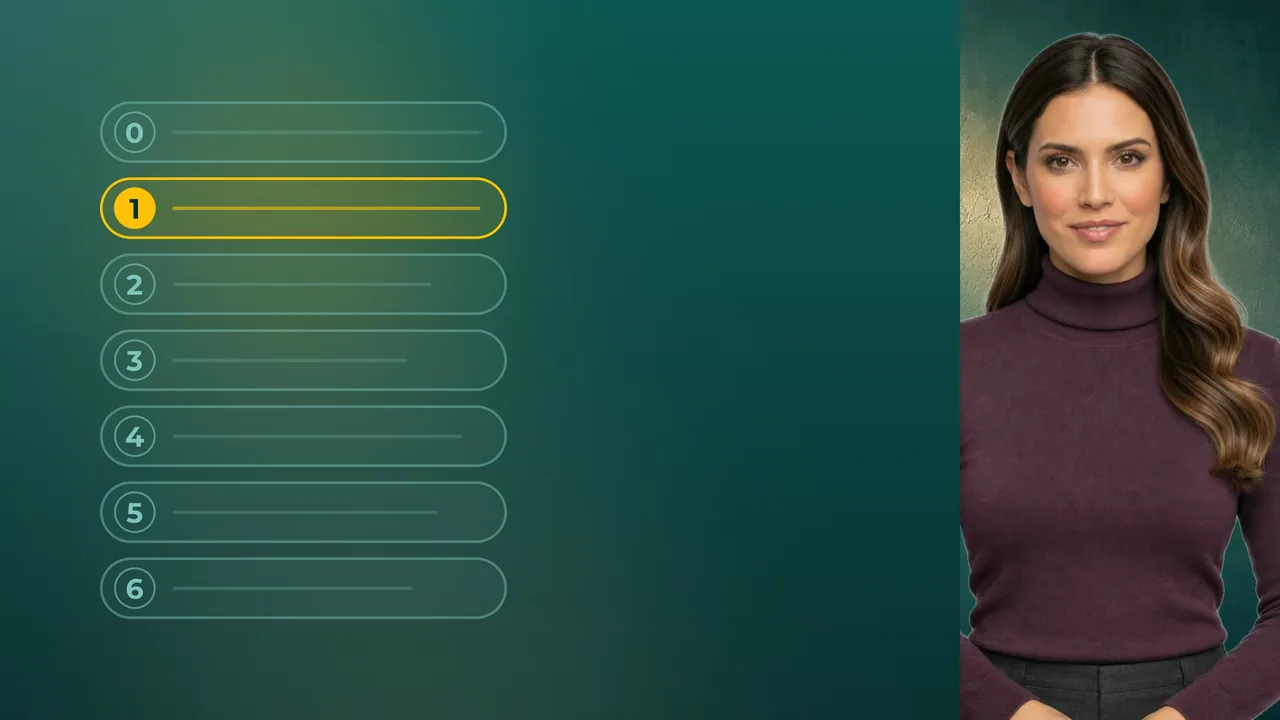
Your Bipolar Stability PlanIn the order you'd need it
0Cover and permissionsWhose plan this is, what you wanted from it, which version, who may read it, when it was last reviewed Lessons124
1If this is an emergencyThe pages somebody could use on your worst day: your routes, your crisis-response draft, your first-72-hours plan Lessons12021
2My signalsWhat change looks like in you, from the first two signs to the full ladder Lessons48919
3My baselineWhat is usual for you: sleep and rhythm, pressures and protections, routine anchors Lessons3111222
4My diagnosis, in my wordsThe language in your records, what it means and what it does not decide, and your history Lessons26710
5My treatmentWhat your treatment is for, what to report, what to ask, and how to prepare for the appointment Lessons5131415161718
6My lifeFunctioning, identity, loss, and the life you are rebuilding around all of it Lessons2324

What you'll be holding at the end

  • A safety plan, with your routes written down before you need them
  • A life chart of your own history
  • Your triggers and your protections
  • A warning-sign ladder: subtle, clear, urgent
  • A crisis-response draft
  • A plan for the first 72 hours after something changes

Not what you remember from the videos. What's on paper, where you, or someone you trust, can find it.

Start lesson 1 →

How it works

New lessons week by week, in order. Video, chapter, one action. Subscribe on YouTube and the next one finds you.

A shorter route for hard weeks. Every chapter has one, and a short route finished counts. Blank is allowed.

Stop and come back. Nothing expires. A page near the back walks you back in without starting over.

Your answers stay on your paper. Nothing is submitted, uploaded, collected or monitored.

Why this exists

I was diagnosed with bipolar disorder in 2018. The first episode was in 1993 — twenty-five years of living with something that had a name I hadn't been given.

Then I got lucky. A hospital near me ran a psychoeducation group: a psychiatrist, a psychologist, about ten of us around a table, once a week, for fourteen months. Nobody there told me what to do. They taught me what the thing was. What stayed with me wasn't any single fact — it was that somebody had put the facts in an order. I had spent twenty-five years collecting pieces; in that room, for the first time, they were a sequence.

Almost nobody gets that room. Mine needed two clinicians, a group, a waiting list, and all of it close enough to my home to attend every week for a year. It also cost me thousands of dollars.

So I rebuilt it as something you can start tonight, wherever you are, in fifteen languages, free — now and later. Not a trial, not a sample, nothing held back for a paid version.

— René, Bipolar Clarity

What the research says, and what it doesn't

Structured psychoeducation is one of the best-studied things that can be added to medication in bipolar disorder. In the trial cited most often, from Barcelona, 120 people with stabilized bipolar disorder were randomly assigned to a six-month psychoeducation group or to an unstructured group, and followed for five years.

3.9 vs 8.4recurrences on average, psychoeducation group vs unstructured group
154 vs 586days acutely ill over five years

Three things it does not say

  1. It doesn't say education replaces medication. Everyone in the trial was on treatment.
  2. It doesn't say a video course produces that result. What was studied was a clinician-led group.
  3. It says nothing about you in particular. It's an average across a group.

Colom F. et al., British Journal of Psychiatry, 2009; 194: 260–265.

So, exactly: this is the syllabus from a room like that one. Not the room, and not tested as if it were. It hasn't been clinically tested, and it doesn't replace your treatment or your clinician.

Every clinical statement in the program has a public source, lesson by lesson. See the sources →

Questions people ask before they start

I don't have the energy for twenty-four of anything.

Every chapter has a shorter route for hard weeks, and a short route finished counts. You can stop for a month or a year; nothing expires.

Is this serious, or just another online course?

It's built on the structure of clinician-led psychoeducation, and every clinical statement has a public source. It hasn't been clinically tested, and it says so.

What's the catch?

None. No trial, no paid version, no account, no email. The whole workbook and every chapter are free to download today.

Will it tell me to change my medication?

No. Nothing in it tells you to start, stop or change a medication. It helps you bring better questions to the person who knows your history.

Who sees what I write?

Nobody. The workbook is made for paper. Nothing is submitted, uploaded or collected.

I was diagnosed years ago. Is this for me?

It was built for the newly diagnosed first. If nobody ever sat you down and explained it, you're not late.

Is it in my language?

The workbook is in fifteen languages. The videos are in English, with subtitles in fourteen.

I'm not the one with the diagnosis.

You can use this to understand what someone is managing. A program for families, partners and friends is on the way. See what's coming →

I'm a clinician. For professionals →

The 24 lessons

  1. 1 Newly Diagnosed With Bipolar? Write This Page First Available
  2. 2 What Is Bipolar Disorder? (And What It Isn't) Available
  3. 3 Bipolar Sleep: 3 Short Nights That Mean Different Things Available
  4. 4 Bipolar Early Warning Signs: Pick 4 That Are Yours Coming
  5. 5 What Is My Bipolar Medication Actually For? Coming
  6. 6 Bipolar Life Chart: How to Map Your Mood History Coming
  7. 7 Bipolar 1 vs Bipolar 2: What the Number Really Means Coming
  8. 8 Hypomania Signs Others Often Notice Before You Do Coming
  9. 9 Manic and Depressed at the Same Time? Mixed Features Coming
  10. 10 Bipolar Disorder or Something Else? Thyroid, Trauma, ADHD Coming
  11. 11 Alcohol, Cannabis, and Bipolar Disorder: What to Notice Coming
  12. 12 Bipolar Triggers: What Adds Pressure—and What Protects You Coming
  13. 13 Bipolar Psychiatry Appointment: Make the Short Visit Count Coming
  14. 14 I Feel Fine. Why Am I Still on Bipolar Medication? Coming
  15. 15 Bipolar Side Effects: What to Track and When to Call Coming
  16. 16 Thinking About Stopping Bipolar Medication? Start Here Coming
  17. 17 Bipolar Disorder and Pregnancy: Questions to Ask Early Coming
  18. 18 Does Therapy Help Bipolar Disorder? What the Evidence Says Coming
  19. 19 Bipolar Warning Signs: Subtle, Clear, and Urgent Coming
  20. 20 How to Draft a Bipolar Crisis Plan—Before You Need It Coming
  21. 21 I Think a Bipolar Episode Is Starting—What Should I Do? Coming
  22. 22 How to Build a Routine That Helps With Bipolar Disorder Coming
  23. 23 Life After a Bipolar Episode: Work, Money, and Relationships Coming
  24. 24 Grieving the Person You Were: Bipolar and Identity Coming

All 24 workbook chapters are free to download today. You don't have to wait for the videos. Get the workbook →

Start with one page.

Lesson 1 builds your Safety Plan: where to get help early, where to get urgent help, and what to do if there may be danger. About twenty minutes, and at the end it's on your phone or on paper somewhere you've chosen.

Pick when: tonight, or one fixed evening this week.

Start lesson 1 →
Transcript of the video

You've probably read more about bipolar disorder than most people ever will. Articles. Forums. The leaflet from the appointment. Videos at two in the morning.

And none of it tells you what to do next Tuesday.

In the next ten minutes you'll see what the Bipolar Stability Program is, and the plan you'll be holding when you finish it. And the one small step that starts it tonight. It's free, all of it — and before the end I'll tell you why, because that's a fair thing to wonder.

Here's the thing about everything you've read. Most of it isn't wrong. It's loose.

Picture a jigsaw puzzle tipped out on a table, with no picture on the box. You can hold every piece. You can't see what they make.

That's what most people get after a diagnosis: pieces. A word for the illness. A prescription. A list of warning signs from a website that doesn't know you. What almost nobody gets is the order. Which piece comes first, and which one depends on which. And what to do with them on an ordinary week, and on a bad one.

This program is the order.

One honest thing about me before I go on. I'm an AI presenter. That was René's choice, and the reason is simple: it protects his privacy. The face is synthetic. The story is real — and it isn't mine. It belongs to René, who founded Bipolar Clarity, wrote this program, and approved every lesson in it.

René's first episode was in 1993. His diagnosis came in 2018. That's twenty-five years of living with something that didn't have a name yet.

After the diagnosis, he got lucky — and it took him a while to see it as luck. A hospital near his home ran a psychoeducation group. A psychiatrist, a psychologist, and about ten people around a table. Once a week, for fourteen months.

Nobody in that room told him what to do. They taught him what the illness was. How it moves. What it looks like early. What the medication is trying to do. What to write down before an appointment, and what to say once he was in the room.

What stayed with him wasn't any single fact. It was that somebody had put the facts in an order. For twenty-five years he'd collected pieces. In that room, for the first time, they were a sequence.

Almost nobody gets that room. It needs two clinicians, a group, a waiting list, and all of it close enough to reach every week for a year. René's cost him thousands of dollars. He happened to live near one, and to be able to pay. Most people with this diagnosis have neither — and nothing about them deserves it less.

So he rebuilt the idea. Not the room — the idea. As something you can start tonight, wherever you are.

One boundary before we go further, because it matters more than anything else in this video.

This program is built for the stretches when you're reasonably well — well enough to read, and to write a few lines. It isn't for a crisis that's happening now.

If you may be in immediate danger, contact your local emergency services now. For crisis resources in your country, visit bipolarclarity.com/gethelp, or see the description and workbook.

The program will still be here when you come back.

Here's how it works.

Twenty-four lessons. Each one is a video of fifteen to twenty minutes and the workbook chapter that goes with it. Plus one small, practical thing to do that week. The video explains. The chapter is where it becomes yours, in your own handwriting.

And every chapter produces a page. Not homework that disappears into a drawer: each page has a place waiting for it in one document — your Bipolar Stability Plan.

The plan has seven sections, and they're not in lesson order. They're in the order you'd need them if you were looking something up in a hurry.

First, if this is an emergency: your routes, your crisis-response draft, and what to do in the first seventy-two hours after something changes. Then your signals — what change looks like in you, from the first two signs to a full ladder: subtle, clear, urgent. Your baseline: your sleep, your rhythm, what adds pressure and what protects you. Your diagnosis, in your own words. Your treatment: what it's for, what to report, what to ask. And your life — work, money, relationships, and who you are now. A cover page says whose plan it is, and who's allowed to read it.

Here's what that looks like in practice. Some week, months from now, you notice you've slept five hours three nights running, and you feel great about it. Without a plan, that's a search at two in the morning. With one, you open section two. You've already written what that pattern has meant for you before, and what you decided to do the first time you saw it. Your hand already knows where to go.

That's what you finish with. Not what you remember from the videos — what's on paper, where you, or someone you trust, can find it.

So is this kind of learning worth your time? Here's what the research says, and what it doesn't.

Psychoeducation isn't a soft extra. Of everything that can be added to medication in bipolar disorder, it's one of the best-studied. The trial cited most often comes from Barcelona. A hundred and twenty people with stabilized bipolar disorder were assigned at random to one of two groups. One did six months of psychoeducation. The other met without that structure. Over the next five years, the people who'd done the psychoeducation had fewer recurrences — 3.9 on average, against 8.4. And they spent 154 days acutely ill instead of 586. Roughly five months unwell across five years, instead of nineteen.

Now, three things that trial does not say. It doesn't say learning replaces medication — everyone in it was on treatment. It doesn't say a video course produces that result — what was studied was a clinician-led group, in a room. And it says nothing about you in particular. It's an average across a group.

So let's be exact about what this is. It's the syllabus from a room like that one. Not the room, and not tested as if it were. This program hasn't been clinically tested, and it doesn't replace your treatment or your clinician. It's built to make those conversations better.

Every clinical statement in it has a public source, lesson by lesson, at bipolarclarity.com/program/sources. If a source doesn't say what we say it says, that's our error — and René wants to hear about it.

You might be thinking a few things right now. Let's take them one at a time.

"I don't have the energy for twenty-four of anything." Fair. Every chapter has a shorter route for hard weeks, and a short route, finished, counts. Blank is allowed. "Not sure yet" is an answer. You can stop for a month, or a year. Nothing expires, and there's a page that walks you back in without starting over.

"I was diagnosed years ago. Isn't this for beginners?" It was built for the newly diagnosed first. But if nobody ever sat you down and explained it, you're not late. René wasn't taught his own illness until he'd lived with it for twenty-five years.

"Is this going to tell me to change my medication?" No. Nothing in it tells you to start, stop, or change a medication. That decision belongs with the person who knows your history. What it does is help you walk into that appointment with better questions.

"Who sees what I write?" Nobody. The workbook is made for paper, and your answers stay on your paper. Nothing is submitted, uploaded, or collected.

"What's the catch?" There isn't one, and here's why it's free. René paid for his room so that you wouldn't have to pay for this. All twenty-four lessons, the whole workbook, every chapter on its own — now, and later. No trial. No paid version. No email address.

"And my language?" The workbook is in nine languages, and the videos have subtitles in fourteen. You don't have to wait for the videos, either: all twenty-four chapters are free to download today.

So here's the first step, and it's small.

Lesson one builds one page: your Safety Plan. Where to get help early, where to get urgent help, and what to do if there may be danger. The video is about twenty minutes, and when you're done, the page is on your phone or on paper, somewhere you've chosen.

It's the button just below this video. Start lesson one.

And decide now when you'll watch it. Tonight, or one fixed evening this week. A time on the calendar beats a good intention.

Then subscribe on YouTube, so the next lesson finds you instead of you having to find it. The lessons come out week by week, in order.

Twenty-four lessons. One plan. In your own handwriting.

I'm Clara, from Bipolar Clarity. I'll see you in lesson one.

If you may be in immediate danger, contact your local emergency services now. Get urgent help →