
Prefer to listen? This article is also an episode of the Bipolar Clarity Podcast.Listen to episode 24 →
Educational content — not medical advice. Nothing here is a reason to start, stop or change a medication on your own. That conversation belongs with your prescriber.
The essentials in 30 seconds
- Of all the therapies tested as an add-on to medication, the one with the strongest evidence isn’t the newest or the deepest. It’s psychoeducation: being taught your own illness, on purpose and in order.
- It works on top of medication, never instead of it. Everything the research shows assumes medication is the foundation.
- Why something so plain works: you cannot manage a machine you don’t understand. Once you know the mechanics, an episode stops being weather and starts being something you can see coming.
- The landmark Barcelona programme — around twenty-one weekly sessions — found fewer relapses, steadier medication use and lower care costs in the years that followed.
- The most useful page in the manual is your prodrome: your own private early-warning signs, which show up days or weeks before a full episode.
- You don’t need a hospital programme to start. A pen and an honest hour gets you chapter one.
- And the quiet payoff isn’t information. It’s acceptance.
The machine with no manual
Here is roughly what happens when you’re diagnosed. Someone gives you a name for the thing that has been quietly running your life. They hand you a prescription. And then, more or less, they send you home and wish you luck.
Which means you have just been handed one of the most complicated machines there is — your own mind, with a lifelong condition living inside it — and almost no instructions for how to run it. No manual. Just take these, and come back in six weeks.
The thing that finally hands you the manual has a plain name and an unglamorous reputation. It’s called psychoeducation, and it means being taught your own illness, on purpose and in order, until you understand it better than it understands you.
Why the plainest treatment has the best evidence
Of all the therapies researchers have tested as an add-on to medication for bipolar disorder, the one with the strongest evidence isn’t the newest, or the deepest, or the most expensive. It’s almost plain enough to be disappointing.
The reason is simple. You cannot manage a machine you don’t understand.
When you don’t know how bipolar actually works, an episode arrives like weather — out of nowhere, and apparently unstoppable. But once you’ve been taught the mechanics — what your own early signs really look like, which triggers matter, why the medication does what it does, what else the illness tends to drag along with it — that same episode stops being weather and starts being something you can see coming from a distance.
Studies of structured psychoeducation groups back this up. The landmark one ran in Barcelona, around twenty-one weekly sessions, and the people who went through it had fewer relapses in the years that followed, stayed on their medication more reliably, and even spent less on their care than the people who didn’t. Not because the group was magic. Because they finally had the manual.
On top of medication, never instead of it
One thing has to be completely straight, and it holds for every technique on this site: psychoeducation works on top of medication, never instead of it.
Everything the research shows — the fewer relapses, the steadier years — assumes medication as the foundation and the learning built on top. Anyone who tells you that education can replace your treatment is selling you something.
This is the thing that makes your treatment work better. It is not a substitute for it.
What’s actually in the manual
So what does a real education teach you that a diagnosis appointment never has time for?
- The shape of your own episodes. How yours specifically begin, and what they look like before they’re obvious.
- Your triggers. Disrupted sleep, a skipped dose, an overloaded week — and, more usefully, which of them are actually yours.
- What each medication is really doing, so it stops being a mystery pill you resent and becomes a tool you understand.
- The conditions that often ride along with bipolar disorder, so they don’t ambush you.
- Your prodrome — the private early-warning signs that show up days or even weeks before a full episode. Knowing yours is what lets you act while there’s still time to act.
That last one isn’t trivia. That’s the difference between getting hit and seeing it coming.
Inside a fourteen-month programme
René, who writes everything on this channel, went through one himself — not a weekend workshop, not a pamphlet. Fourteen months.
Once a week, a small group of about ten people sat down together, and a psychiatrist and a psychologist taught what was, honestly, a class. About the illness. Then the group talked, and asked, and compared notes on what actually happens in a real life with this thing in it.
One detail turned out to matter more than anyone planned. His own psychiatrist ran the programme and was in almost every class, so over fourteen months the trust between them deepened in a way a fifteen-minute medication check never could. His doctor stopped being a stranger who adjusted his pills and became someone who genuinely knew him. That relationship became part of the treatment.
And there was a second thing the group did that no individual appointment can. For many people in that room, it was the first time they had ever been surrounded by others who actually understood. Not sympathised — understood. People who knew, from the inside, what a racing three in the morning felt like, or the specific shame of a spending spree, or the flatness of a depression nobody could see.
When you’ve spent years feeling like the only broken one, sitting in that room does something the facts alone can’t. It takes the isolation, and the sense of being uniquely defective, and quietly dissolves them. You are not the only one running this machine. Other people are learning to run theirs, right next to you.
The second net: when the people around you learn it too
Once a month in that programme, the room got bigger. The families came — partners, parents, the people who live this right alongside us.
Because the people who built it understood something a lot of us learn too late: a person’s safety net can’t be only clinical. Your doctors and your medication are one net. But the people around you — when they actually understand the illness, when they know your early signs, when they know what helps and what quietly makes things worse — become a second net, woven right next to the first one.
When the people you love are educated too, you get caught by two nets instead of one.
No overwhelm, no spam — just one small, practical page of the manual at a time. Free.
Subscribe — it's freeThree ways to start without a hospital programme
Most people can’t walk into a fourteen-month hospital programme, and the good news is that you don’t have to in order to get the core of this. Psychoeducation isn’t a place. It’s a practice.
One: ask your treatment team directly whether there’s a structured psychoeducation group you can join. A lot of clinics and organisations run them, and a good one is educational and skill-focused rather than a room where people vent.
Two: look at peer organisations. Groups run by organisations like the DBSA do a lot of the same work, often for free.
Three: start building your own manual tonight. Learn your prodrome, which is just the clinical word for your personal early-warning signs. Learn your triggers. Learn what each of your medications is actually there to do. Write it down.
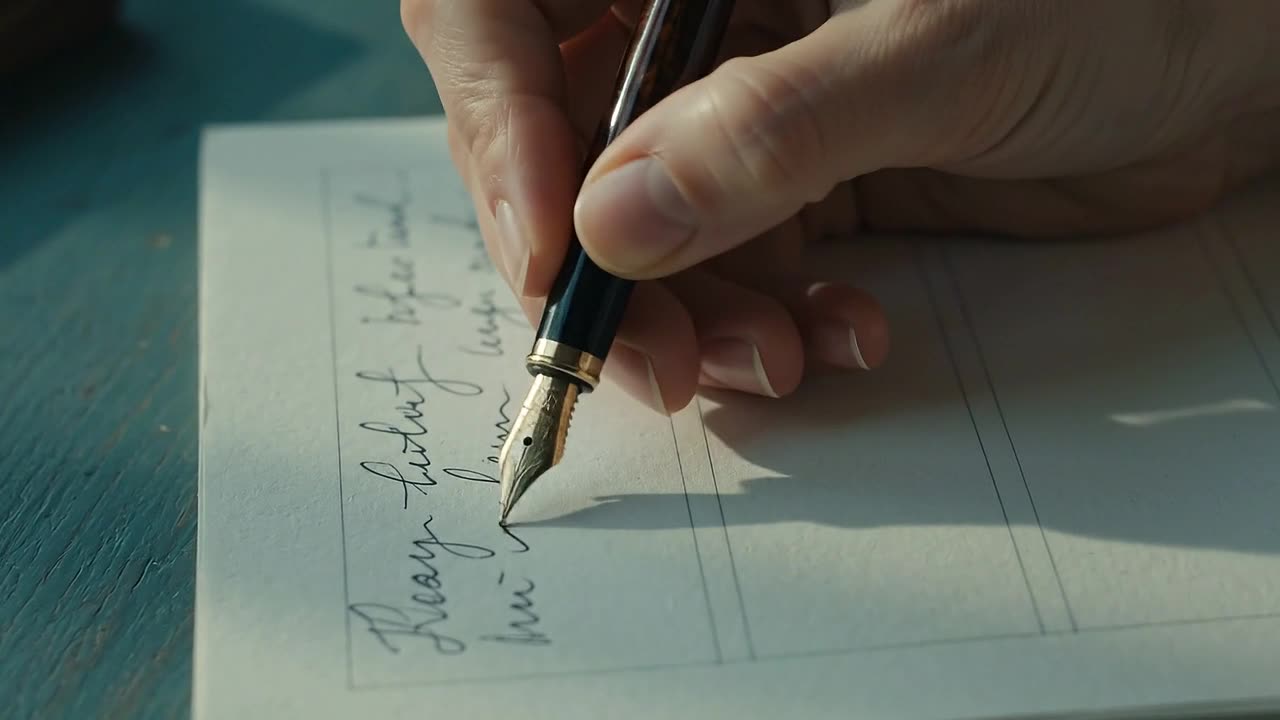
If you want the simplest possible first page, draw three columns. In the first, the earliest signs that you personally are tipping up or down — the ones a partner might notice before you do. In the second, what tends to set those off. In the third, one small action for each: call the doctor, protect your sleep, tell one person.
That single page, built while you’re well, is worth more in a shaky week than anything you’ll manage to think of once the week is already shaking. You don’t need a hospital to begin. You need a pen and an honest hour.
Two honest limits
Refusing to oversell this matters, so here are the two caveats.
Psychoeducation is not a lecture you passively soak up. It only does its work when the knowledge turns into things you actually do differently. The learning is the start; the skill is the point.
And this is maintenance work. It’s built for the steadier stretches, when you’re well enough to take it in — not a rescue you grab for in the middle of an acute crisis. You build the manual in calm weather so that you can read it in the storm.
Which means that if the storm is here right now, this isn’t the page you need. If you’re thinking about not being here, or the agitation has turned into something darker, please don’t sit with it alone. In the United States and Canada you can call or text 988 for the Suicide & Crisis Lifeline, or 911 in an emergency; our crisis page lists lines by country. Building the manual can wait a week. That call can’t.
What fourteen months actually gave him
There’s one thing those fourteen months gave René that the information alone couldn’t, and it’s worth ending on, because it isn’t what anyone expects.
He’ll tell you the facts were never really the hard part. The hard part was accepting that the illness was his.
That’s the quiet thing psychoeducation does that nobody prints in the brochure. Somewhere in the middle of learning the machine — really learning it, week after week, in a room full of people learning the same thing — you stop fighting the diagnosis and start managing it. The manual is useless while you’re still insisting the machine isn’t yours.
Understanding is what finally let him set the fight down and pick the work up. Not information. Acceptance, with the information as the road that got him there.
So: three columns, one honest hour, tonight. You were handed a complicated machine and almost no instructions, and that was never your fault. Going back for the manual is how you slowly become the one person who can actually run the thing.
Nobody is born knowing how to run this. It gets taught — and you can be taught it.
Sources
- National Institute of Mental Health — Bipolar Disorder
- Depression and Bipolar Support Alliance (DBSA)
- Colom et al. 2003 — group psychoeducation in bipolar disorder (Archives of General Psychiatry)
- Colom et al. 2009 — five-year follow-up of the Barcelona psychoeducation programme
- Miklowitz et al. 2021 — adjunctive psychosocial treatments, network meta-analysis (JAMA Psychiatry)
- Yatham et al. 2018 — CANMAT/ISBD guidelines (Bipolar Disorders)
If you’re in crisis or thinking about harming yourself, you’re not alone and help is available right now. In the US & Canada call or text 988. In the UK & Ireland call 116 123 (Samaritans). Elsewhere, contact your local emergency services — Get Help Now lists lines by country.