

If you’re in crisis or thinking about harming yourself, you’re not alone and help is available right now. In the US & Canada call or text 988. In the UK & Ireland call 116 123 (Samaritans). Elsewhere, contact your local emergency services — Get Help Now lists lines by country.
Educational content — not medical or financial advice. If you’re in danger or thinking about harming yourself, contact emergency services or a crisis line now.
The essentials in 30 seconds
- Manic spending is a risk problem, not a spending problem. Mania turns the volume up on reward and down on risk.
- It feels like clarity, which is why you can’t think your way out of it in the moment.
- Money is fast and permanent. The high fades in weeks; the debt can last years and deepen the low that follows.
- The two-key rule: big money moves need a trusted person plus a built-in delay, agreed while you’re well.
- The wreckage was a symptom, not a character flaw.
Why it feels like the smartest you’ve ever been
When mood starts climbing, thinking changes in a specific way. Researchers describe a pattern of overly positive appraisals: the brain quietly amplifies every possible reward and mutes every possible cost. “I’ll easily make this back.” “I can’t lose.”
David Miklowitz, author of The Bipolar Disorder Survival Guide, puts it plainly: mania leads people to overestimate what they can achieve and underestimate the risk of what they’re doing. The internal calculator that normally asks “wait, is this a good idea?” doesn’t just get optimistic. It gets rewired.
The cruel part is that it doesn’t feel broken. It feels like insight — like you’ve finally seen what everyone else is too slow to see. That’s why willpower fails here: you’d be using the broken calculator to check the broken calculator.
How to tell a splurge from a symptom
Not every treat is a warning sign. A normal splurge sounds like: I want this, I can afford it, I thought about it.
Manic spending has a different fingerprint. It comes wrapped in I can’t lose, I can’t wait certainty, and it usually travels with other early signs: needing less sleep, racing thoughts, everything suddenly urgent. When the money impulse shows up in that company, treat it as a signal. Our guide to mania and money goes deeper.
Why money does so much damage
Money is fast and money is permanent. One tap at 2 a.m. can create a debt that outlives the episode by years. And that debt often becomes one of the heaviest weights pulling someone into the depression that can follow a high. You don’t only lose money; you inherit the despair of the aftermath.
So the answer was never “try harder next time.” Trying harder asks the impaired part of the brain to police itself. The real answer is to decide now, while your judgment works, what happens later, when it might not.

The two-key rule
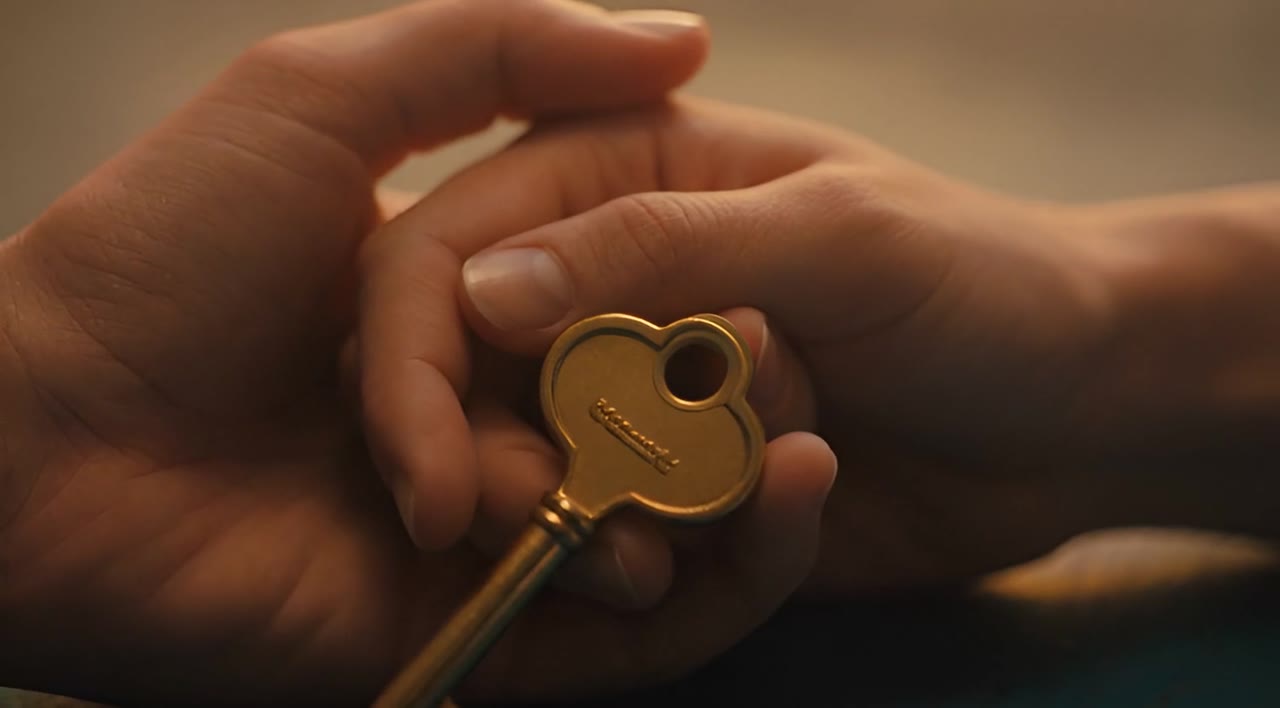
Think of the locks on something too important to open alone. You decide, in advance and in writing, that big money moves need a second key: a trusted person, plus a delay. It mirrors the relapse-prevention planning used in family-focused treatment.
Pick one person you trust completely — a partner, parent or close friend — and agree on a simple plan while you’re well:
- Add friction to the big stuff. Maybe they hold a credit card. Maybe large transfers need a second signature. Maybe you agree not to make a major purchase without talking to them first. You’re not asking permission; you’re building a speed bump.
- The 48-hour rule. Any purchase or “opportunity” over a number you choose in advance waits two days — especially the once-in-a-lifetime, act-now ones. In mania, the deal that can’t possibly wait is exactly the one that most needs to. Urgency is itself a symptom.
- Write it down. A short, plain plan the people who love you can act on the moment they see your warning signs.
Notice how little the waiting rule usually costs you. Most good ideas survive 48 hours just fine. What it mostly filters out are the decisions driven by urgency rather than judgment.
No overwhelm, no spam — just one small, practical tool to help you feel steadier. Free.
Subscribe — it’s freeA seatbelt, not a surrender
Setting this up isn’t admitting you’re incompetent. It’s present-you — clear and capable — reaching forward to protect future-you, who temporarily won’t be. You don’t wear a seatbelt because you plan to crash. You wear it because you can’t schedule the crash.
Frame it as teamwork for both of you. Money in mania is one of the biggest sources of conflict between people who love each other. Your trusted person isn’t a warden auditing receipts. They’re holding a key you asked them to hold, for a plan you built together. That shift, from surveillance to teamwork, is what makes it stick when it counts.
If it has already happened
If mania has already cost you — real debt, or the shame of it — hear this: it was a symptom, not a character flaw. You wouldn’t blame someone for the fever that came with an infection. The wreckage was real, but it was the illness spending. What you do next — building the guardrail — that’s you.
And if the weight of the aftermath ever makes the future look hopeless, please don’t carry it alone. Our crisis page lists lines by country.
The best time to build this is before you need it. Start by learning your own early warning signs, so you and your trusted person can turn that second key before the spending begins. Be gentle with yourself, especially about money.
Sources
- National Institute of Mental Health — Bipolar Disorder
- Depression and Bipolar Support Alliance (DBSA)
- David J. Miklowitz — The Bipolar Disorder Survival Guide, Third Edition (Guilford Press, 2019)