

Prefer to listen? This article is also an episode of the Bipolar Clarity Podcast.Listen to episode 4 →
The essentials in 30 seconds
- You don’t need to change your whole life today. The goal of the next 24 hours is simply to stabilize the engine — when the sea is choppy, you drop anchor.
- The plan has three clusters: the Clock (biological stability), the Checklist (data and logistics), and the Connection (your social safety net).
- You can’t force sleep — but you can anchor your wake-up time. Anchor the morning and the night often follows.
- Put your basics in one note — meds, a daily snapshot, your top questions, and a “holding message” for work — so nothing lives only in your head.
- It’s okay to feel grief. You’re the same person you were yesterday; now you just have the owner’s manual.
Cluster 1 — The Clock
Bipolar disorder is closely tied to biological rhythms — think of your circadian clock as a sensitive, high-performance engine that needs tuning. The most powerful lever is consistency, and the secret is this: you can’t force sleep (trying just creates anxiety), but you can anchor your wake-up time.
- Step 1 — choose one Wake Anchor. Pick a realistic wake-up time for weekdays and weekends. Set an alarm now, label it “Anchor Wake,” and get out of bed within ten minutes. Light in your eyes resets the brain’s timer: we are safe, we know what time it is. After a very short night, safety comes first — don’t drive drowsy — and if short nights repeat, or you’re sleeping little without feeling tired, call your care team.
- The Wind-Down Anchor. This isn’t when you sleep — it’s when you downshift. One hour before bed, label an alarm “Anchor Wind-Down.” Dim the lights and lower screen brightness; darkness is what cues your brain to release melatonin. Better yet, swap the screen for a podcast, a warm shower, or a physical book.
And retire one myth tonight: lying awake is not failing. Rest has value even without sleep. The bed is a safe place, not a battleground.

Cluster 2 — The Checklist
Right after a diagnosis comes a whirlwind of appointments and information. Contain it in one note — open your notes app and make four short sections:
- Medications. Name and dosage, a photo of the bottle labels, and any allergies in big bold letters.
- The Snapshot. Last night’s sleep (“4 hours”) and your current mood (“wired / heavy / anxious / steady”). This maps your baseline.
- Questions. Catch them on paper as they occur to you, then prioritize the top two for your next visit — for example, “What early warning signs should I watch for?” and “Who do I call about a side effect?”
- The Holding Message. You don’t have to disclose your diagnosis to anyone today — you just need to buy time. A line like “I’m addressing a health matter and will have a clearer plan by Monday” covers work without oversharing.
Cluster 3 — The Connection
You don’t have to choose between hiding from everyone and oversharing. Use the “Power of One”: choose a single trusted person to be your support anchor, and instead of explaining everything, give them a job.
A script you can text or say: “I just received a diagnosis of bipolar disorder. I don’t need advice right now, but I’d appreciate a quick check-in call tonight. Could you help me stick to my wind-down time?” And it’s okay to set a boundary, too: “Please don’t send me information right now. I’ll ask for resources when I’m ready.”
Build a low-stimulation corner
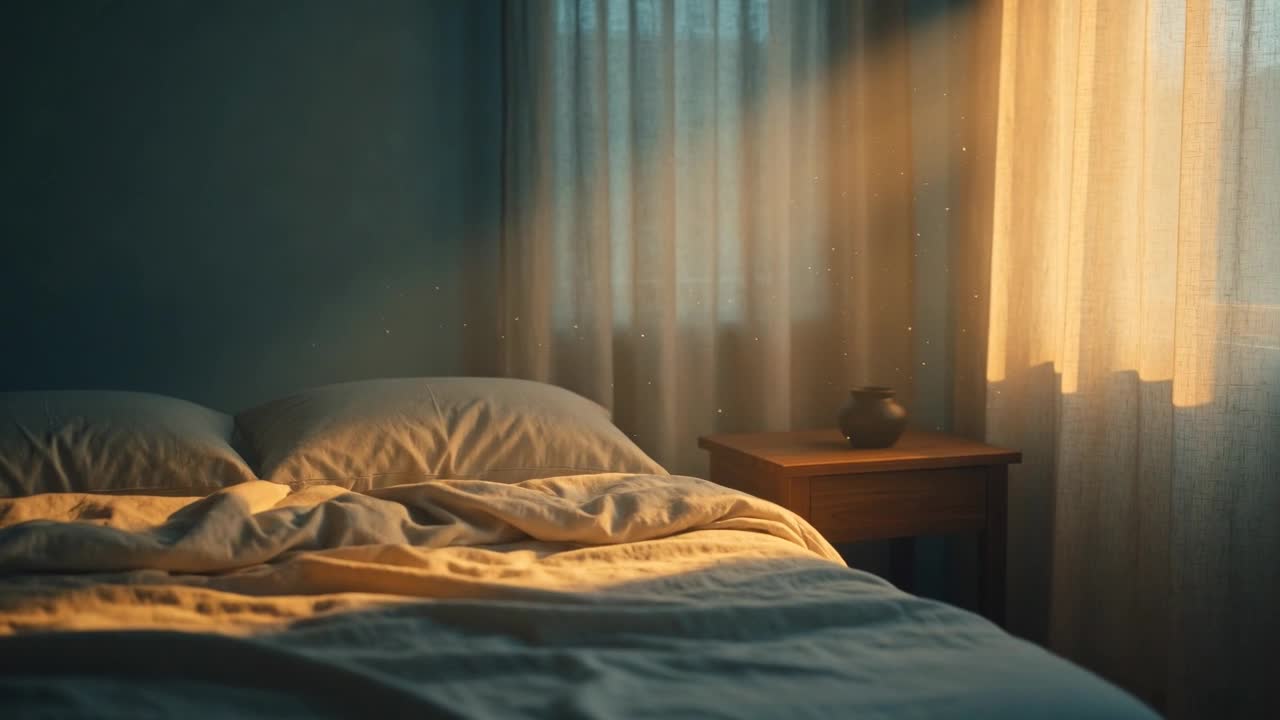
Your environment matters more than it seems. Create a low-stimulation corner: pick one chair or corner, clear the clutter from that spot, and add a blanket and your wind-down items. Think of it as your cockpit. You can tell the people you live with: “When I’m in this chair with my headphones on, I’m recharging — please give me a little space.”
If panic rises, try the “Shape Game”: find one rectangle, one circle, one thing that’s green. Switching from internal panic to external observation tells your amygdala there’s no tiger in the room.
No overwhelm, no spam — just one small, practical tool to help you feel steadier. Free.
Subscribe — it's freeA word about substances, and two gentle branches
For just the next 24 hours, pause the alcohol (a depressant that wrecks sleep) and stop caffeine after noon (a stimulant that can trigger anxiety or hypomania). This isn’t a forever rule — it’s a “right now” protection so you can get a clear reading on your natural mood and sleep.
Then steer toward where you are. If you feel low and heavy, keep your wake anchor and add one small movement — walk to the mailbox, take a shower; action precedes motivation. If you feel high or revved up, dim the lights earlier, talk and walk slower, and if a big urge hits, write it down and look at it in three days rather than acting today.
Be kind to yourself today
A new diagnosis can stir up grief — you may be mourning the version of yourself you thought you were, and that is valid. A gentle reframe: you’re the same person you were yesterday, with the same talents, humor, and heart. Now you have the owner’s manual. You have the headlights.
If a new diagnosis stirs up intense feelings and you ever feel unsafe, immediate help is available — call or text 988 (United States & Canada), or 911 if it’s an emergency; elsewhere, contact your local emergency services. Our crisis page lists lines by country. Put that number in your Care Notes right now, so the safety net is there before you ever need it.
You don’t need to solve the rest of your life today. You just need to hold the anchors. You’re learning a new language — it takes time, and you can do this.
Sources
- National Institute of Mental Health — Bipolar Disorder
- Depression and Bipolar Support Alliance (DBSA)
- 988 Suicide & Crisis Lifeline
If you’re in crisis or thinking about harming yourself, you’re not alone and help is available right now. In the US & Canada call or text 988. In the UK & Ireland call 116 123 (Samaritans). Elsewhere, contact your local emergency services — Get Help Now lists lines by country.